“And you, being dead in your sins and the uncircumcision of your flesh, hath he quickened together with him, having forgiven you all trespasses.” (Colossians 2:13 KJV)
“Blessed is the man to whom the Lord will not impute sin.” (Romans 4:8 KJV)
Have you ever found yourself stumbling in your walk as a new creature in Christ and immediately feeling the old tug to “confess and get right with God” all over again? Maybe you’ve wondered: If my sins are already forgiven—all of them—according to the clear words of Paul, then what exactly am I supposed to do when I sin? Does that mean I can just shrug it off? Or does grace actually give me a better way to deal with failure than the law or the kingdom program ever could?
This is one of the most practical and liberating truths in the dispensation of the grace of God. We are not under a system where we must repeatedly earn or maintain forgiveness. Paul makes that crystal clear in his epistles. At the same time, sin is still real, it still grieves the Spirit, and it still affects our daily walk. Let’s walk through the Scriptures rightly divided and see exactly what the Apostle to the Gentiles says about what a believer does when he sins.
Our Position: Already Forgiven, Already Reconciled, Already Complete
First, let’s anchor ourselves in what Paul says about our standing the moment we trust the gospel of the grace of God.
“In whom we have redemption through his blood, the forgiveness of sins, according to the riches of his grace.” (Ephesians 1:7 KJV)
“And you, being dead in your sins and the uncircumcision of your flesh, hath he quickened together with him, having forgiven you all trespasses.” (Colossians 2:13 KJV)
“Blessed is the man to whom the Lord will not impute sin.” (Romans 4:8 KJV)
Have you noticed how Paul keeps hammering this? Not some sins. Not most sins. All trespasses. The Lord will not impute sin to the believer who is in Christ. We have been reconciled to God by the death of His Son (Romans 5:10; 2 Corinthians 5:18-19). Our fellowship with the Father is not based on our performance—it is based on Christ’s finished work.
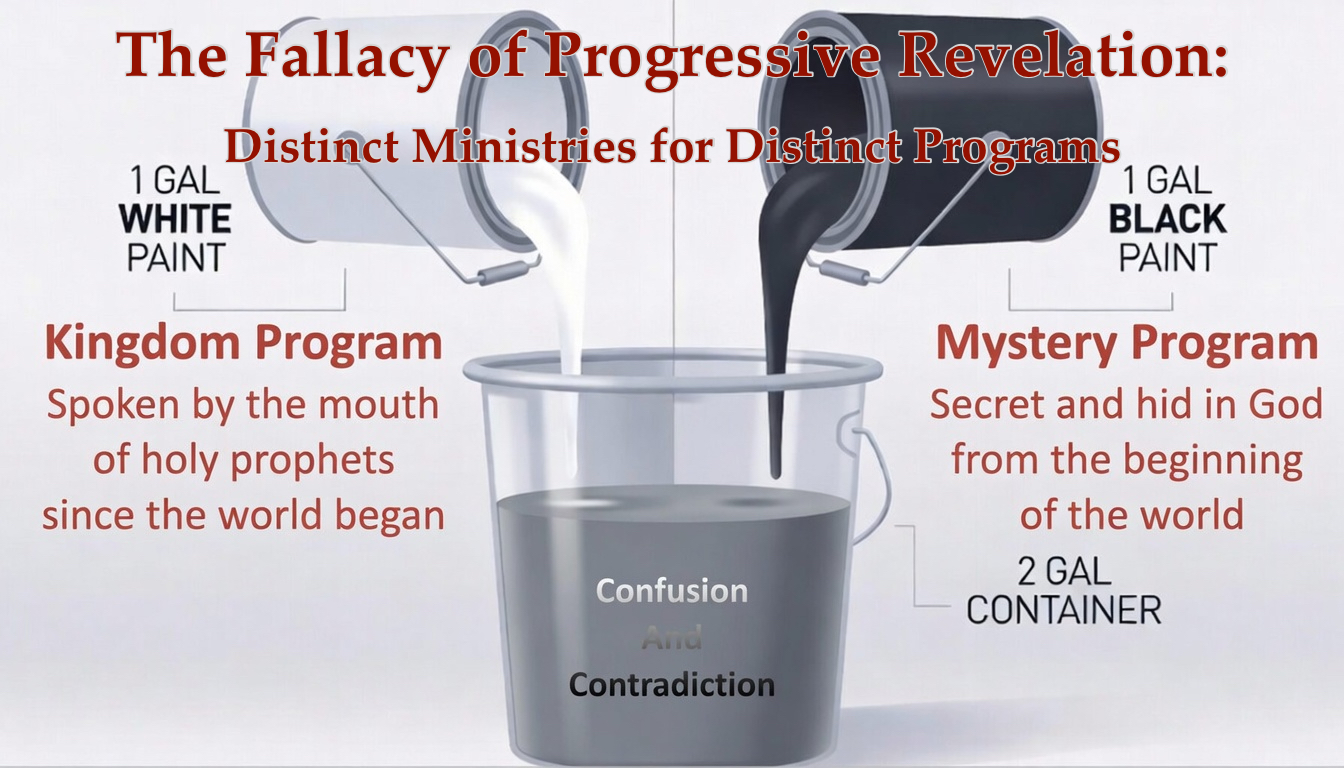
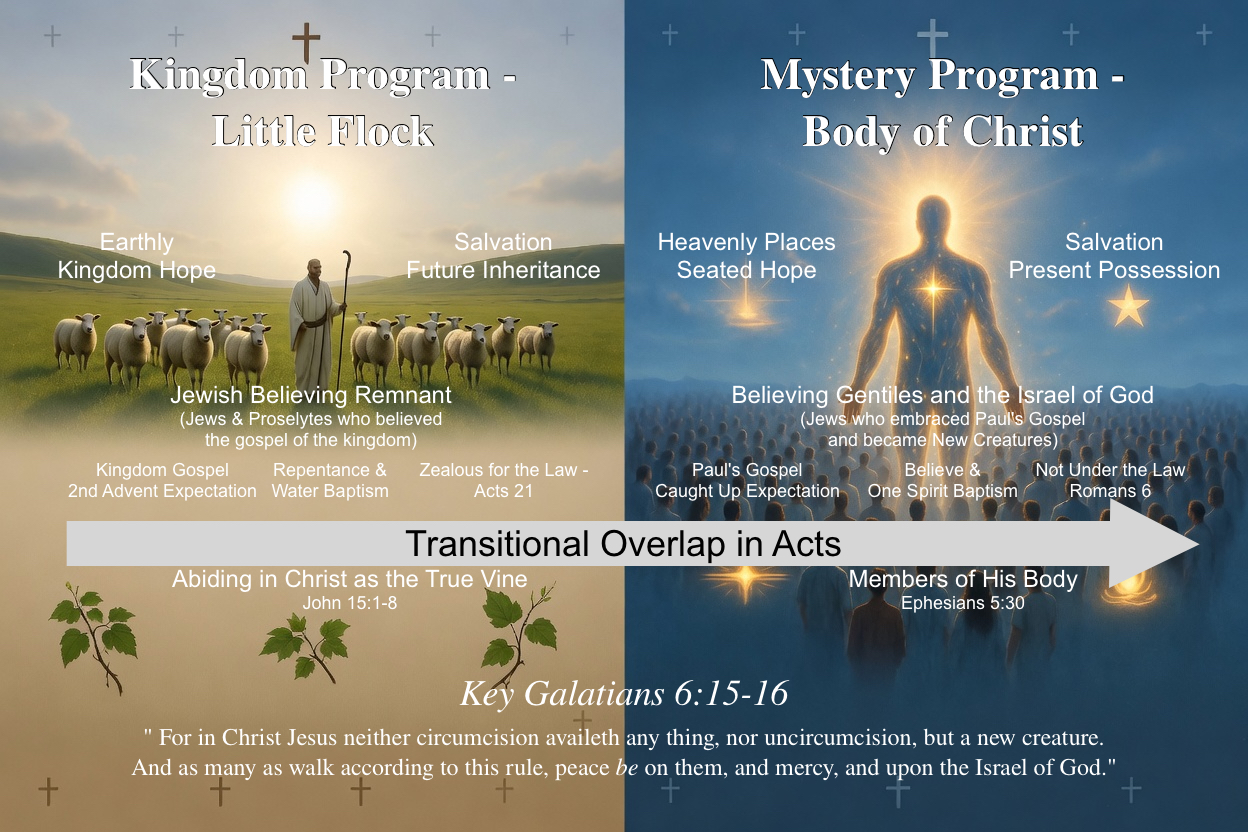
This is completely different from the kingdom program the Lord Jesus preached to Israel or the conditional forgiveness taught in the Hebrew epistles. Under the law or the prophetic program, forgiveness could be lost or withheld if one did not continue in obedience (Matthew 6:14-15; 18:32-35). But in this dispensation, Paul declares we are already “holy and unblameable and unreproveable in his sight” (Colossians 1:22 KJV) because of the reconciliation Christ accomplished.
Why Our Fellowship with God Remains Secure
Have you ever pictured God up in heaven, arms folded, refusing to fellowship with you until you “get right” again? That kind of thinking sneaks in so easily when we sin. It feels religious. It feels serious. But it is not Pauline. It is not the truth of this dispensation of grace.
Because we are already forgiven and reconciled, our fellowship with God is eternally secure. We are in Christ. Christ is in us. We are new creatures. The Holy Spirit indwells us permanently. Nothing can separate us from the love of God in Christ Jesus (Romans 8:38-39). When we sin, we do not lose our standing. We do not become “unforgiven.” We do not drop out of the Body of Christ. God does not forsake us or distance Himself until we perform some ritual of confession.
When we sin, it is not God keeping His distance and refusing fellowship. It is us choosing not to walk in the newness of life He has already given us. The hindrance is on our side, not His. The relationship is not broken — our enjoyment and experience of it is disrupted.
Think of it like this: A father and son have a perfect, unbreakable relationship. The son is always the son. But if the son rebels and runs off to the far country, the fellowship — the warm, daily enjoyment of that relationship — is hindered. The father hasn’t stopped loving the son or disowned him. The son has simply chosen a path that cuts him off from the joy and power of walking with his father.
That’s exactly what happens with us. Sin grieves the Holy Spirit who dwells in us (Ephesians 4:30). It quenches His work in our lives (1 Thessalonians 5:19). It robs us of the peace, joy, power, and fruitfulness that belong to walking in the Spirit (Galatians 5:16-25). But God has not moved. We have.
“If we would judge ourselves, we should not be judged.” (1 Corinthians 11:31 KJV)
“And be not conformed to this world: but be ye transformed by the renewing of your mind.” (Romans 12:2 KJV)
God is not waiting for us to earn our way back. He has already reconciled us. Our practical fellowship is restored the moment we agree with God about our sin, have godly sorrow that leads to a change of mind (2 Corinthians 7:10), reckon ourselves dead to sin and alive unto God (Romans 6:11), and yield our members once again as instruments of righteousness (Romans 6:13).
It is not God saying, “Come back when you’re clean.” It is the loving Father saying, “I never left you. Walk with Me again in the liberty and newness of life I gave you.”
Have you seen how freeing this is? You don’t have to perform to get God to come near. You simply turn from the flesh and walk in what is already true: you are forgiven, you are reconciled, you are complete in Him. That is the beauty of grace.
What a Believer Does When He Sins: Godly Sorrow and Repentance
When we sin, we do not run to God to beg for forgiveness we already have. Begging God for forgiveness is actually not walking by faith — it is a practical denial of the sufficiency of Christ’s finished work. It treats the cross as incomplete and suggests that what Paul plainly declares (“having forgiven you all trespasses”) is not really true until we perform some additional act. That is walking by sight and religious performance rather than by faith in the clear revelation given to Paul for this dispensation.
Instead, Paul points us to something far more powerful: godly sorrow that leads to repentance—a change of mind.
Look at what Paul wrote to the Corinthians after they had sinned and needed correction:
“Now I rejoice, not that ye were made sorry, but that ye sorrowed to repentance: for ye were made sorry after a godly manner, that ye might receive damage by us in nothing. For godly sorrow worketh repentance to salvation not to be repented of: but the sorrow of the world worketh death.” (2 Corinthians 7:9-10 KJV)
Godly sorrow is not self-pity or religious performance. It is agreeing with God about our sin. It is seeing sin the way God sees it—as something that dishonors Christ, grieves the Spirit, and robs us of joy. That sorrow leads to a change of mind (repentance) so that we turn from the flesh and walk in the Spirit.
Have you ever noticed how Paul never tells the Body of Christ to confess sins to God in order to obtain forgiveness? He tells us we are already forgiven. Instead, he tells us to judge ourselves, renew our minds, and yield to the Spirit.
When you sin, the response of grace is:
- Acknowledge it honestly before God.
- Have godly sorrow that leads to a change of mind.
- Thank Him that you are already forgiven and reconciled.
- Reckon yourself dead to sin and alive unto God (Romans 6:11).
- Yield your members as instruments of righteousness (Romans 6:13).
This restores the joy and power of your walk. It is not about earning forgiveness—it is about enjoying the forgiveness you already have in Christ. When you respond this way, you step back into the full enjoyment of the peace with God that is already yours (Romans 5:1). You begin to walk in the newness of life that was given to you the moment you trusted Christ.
Think about all that you already possess in Him:
- You are already reconciled to God (Romans 5:10; 2 Corinthians 5:18-19).
- You are already complete in Christ (Colossians 2:10).
- You are already blessed with all spiritual blessings in heavenly places (Ephesians 1:3).
- You already have the peace of God that passes all understanding (Philippians 4:7).
- Christ Himself is your life, and He lives in you (Colossians 3:3-4; Galatians 2:20).
These things are not future hopes — they are present realities. Walking by faith means letting them be there. It means yielding to what God has already made true in you rather than trying to manufacture something through performance. You don’t strive to become reconciled; you rest in the reconciliation you already have. You don’t beg for peace with God; you enjoy the peace you already possess and let it rule in your heart (Colossians 3:15).
A heart filled with thanksgiving for all that grace has already provided is one of the most powerful antidotes to the flesh. When you thank God for the forgiveness, the cleansing, the new creature reality, and the indwelling Christ, faith rises and the joy of the Lord returns. This is exactly what Paul means when he says to walk worthy of the calling (Ephesians 4:1) and to walk in the Spirit (Galatians 5:16, 25). It is simply living in light of who you already are in Christ.
This is the walk of the new creature — not striving, but yielding. Not earning, but enjoying. Not performing, but resting in the finished work.
What About Sinning Against Others?
Paul is very practical here too. When our sin affects another brother or sister, we have clear instructions from the Apostle Paul:
“And be ye kind one to another, tenderhearted, forgiving one another, even as God for Christ’s sake hath forgiven you.” (Ephesians 4:32 KJV)
“Forbearing one another, and forgiving one another, if any man have a quarrel against any: even as Christ forgave you, so also do ye.” (Colossians 3:13 KJV)
Notice the pattern: We forgive because we have already been forgiven. The little phrase “even as God… hath forgiven you” is powerful. God did not wait for us to clean up our act or prove ourselves worthy. While we were still enemies, aliens, and dead in trespasses, God took the initiative. He sought reconciliation first.
“But God commendeth his love toward us, in that, while we were yet sinners, Christ died for us… For if, when we were enemies, we were reconciled to God by the death of his Son, much more, being reconciled, we shall be saved by his life.” (Romans 5:8, 10 KJV)
This is the heart of the gospel of grace. God is the great Reconciler. He made peace through the blood of the cross and has already forgiven us all trespasses. Now He has given us the ministry of reconciliation and committed to us the word of reconciliation (2 Corinthians 5:18-19). We are ambassadors for Christ:
“Now then we are ambassadors for Christ, as though God did beseech you by us: we pray you in Christ’s stead, be ye reconciled to God.” (2 Corinthians 5:20 KJV)
Just as God first sought us and offered forgiveness while we were still lost, we are to extend that same grace to others. Our forgiveness of others is not a grudging duty — it is an extension of the same reconciling love we have received. We don’t wait for the offender to deserve it or beg for it. We proactively forgive, even as God proactively forgave us.
“And be ye kind one to another, tenderhearted, forgiving one another, even as God for Christ’s sake hath forgiven you.” (Ephesians 4:32 KJV)
“Even as…for Christ sake” means “in the same way that” or “according to the same pattern.” Paul is saying: Look at how God forgave you — that is exactly the standard and the power for how you are to forgive others. The little phrase “even as God for Christ’s sake hath forgiven you” is one of the most powerful motivations in all of Paul’s writings. It doesn’t just tell us to forgive — it tells us how and why we are to forgive, and it points us to the pattern of reconciliation itself.
God did not forgive us because we deserved it.
He did not forgive us after we cleaned up our lives.
He did not forgive us on the condition that we would never sin again.
While we were still ungodly, enemies, and dead in trespasses, God took the initiative:
“But God commendeth his love toward us, in that, while we were yet sinners, Christ died for us… For if, when we were enemies, we were reconciled to God by the death of his Son…” (Romans 5:8, 10 KJV)
“To wit, that God was in Christ, reconciling the world unto himself, not imputing their trespasses unto them…” (2 Corinthians 5:19 KJV)
This is the heart of grace. God forgave us for Christ’s sake — because of the value and merit of Christ’s finished work on the cross, not because of anything good in us. That same boundless, unconditional, Christ-centered forgiveness is now to flow through us to others.
Because God forgave us this way, we are to forgive others the same way:
- Freely — without making them earn it
- Completely — without holding a record of wrongs
- For Christ’s sake — because of what Christ has done for us, not because they deserve it
This is why Paul can command us to forgive even when the other person is clearly in the wrong. Our ability and motivation to forgive do not come from their repentance first — they come from the reality that we have already been forgiven “all trespasses” by a holy God.
We do not forgive to earn forgiveness or to get God to forgive us. That is the difference right division makes. Our forgiveness of others flows out of the riches of God’s grace that we have already received. It is not a work we perform to stay in God’s good graces—it is the natural overflow of a heart that knows it has been freely and fully forgiven all trespasses.
Sin against others rarely happens in a vacuum. Most quarrels are two-sided. There is usually fault on both sides—words spoken in anger, misunderstandings, pride, or selfishness from each person. This is precisely why Paul says “forgive one another.” It takes two to have a quarrel, and it takes grace from both sides to resolve it.
A beautiful, real-life example of this is found in Paul’s second letter to the Corinthians. A man in the church had caused serious grief through sin and had been disciplined by the assembly. Paul writes:
“But if any have caused grief, he hath not grieved me, but in part: that I may not overcharge you all. Sufficient to such a man is this punishment, which was inflicted of many. So that contrariwise ye ought rather to forgive him, and comfort him, lest perhaps such a one should be swallowed up with overmuch sorrow. Wherefore I beseech you that ye would confirm your love toward him… To whom ye forgive any thing, I forgive also: for if I forgave any thing, to whom I forgave it, for your sakes forgave I it in the person of Christ; Lest Satan should get an advantage of us: for we are not ignorant of his devices.” (2 Corinthians 2:5-11 KJV)
Paul urges the church not to keep the man in perpetual sorrow. Instead, they were to forgive him, comfort him, and confirm their love toward him. Over-punishment or withholding forgiveness could allow Satan to gain an advantage by overwhelming the brother with despair. Notice how Paul ties this to Christ: “for your sakes forgave I it in the person of Christ.” Forgiveness in the church is to reflect the same grace we have received in Christ.
Under grace, however, our pursuit of reconciliation flows from the forgiveness we have already received (Ephesians 4:32; Colossians 3:13). Our motivation is not fear of losing God’s favor, but the overflowing grace we have experienced.
Practical Steps:
- Go to the person humbly and acknowledge your part of the wrong without excuses.
- Ask for forgiveness specifically.
- Make restitution where possible.
- Be willing to listen to their side of the quarrel.
If they grant forgiveness, rejoice and restore the relationship. If forgiveness cannot be found (they refuse, or reconciliation is impossible due to death, distance, or hardness of heart), then:
“If it be possible, as much as lieth in you, live peaceably with all men.” (Romans 12:18 KJV)
Forgive them in your heart, release the matter to the Lord, continue to pray for them, and show kindness when opportunities arise. If living peaceably is not achievable (Romans 12:19-20), you are not to avenge yourself because you have been wronged because someone won’t forgive you. You are not held hostage by their refusal. Your obedience is to the Lord, not to their response.
Paul warns us strongly against allowing bitterness to take root, because it will trouble and defile us:
“Let all bitterness, and wrath, and anger, and clamour, and evil speaking, be put away from you, with all malice.” (Ephesians 4:31 KJV)
“Looking diligently lest any man fail of the grace of God; lest any root of bitterness springing up trouble you, and thereby many be defiled.” (Hebrews 12:15 KJV)
This verse is written to Hebrew believers under the kingdom program who had a real possibility of falling short of the promised kingdom inheritance if they drew back in unbelief (see the warnings throughout Hebrews 3, 6, and 10). For us in the Body of Christ, the principle still applies practically: bitterness will trouble and defile us and hinder our walk, even though it cannot affect our eternal standing in Christ.
Bitterness defiles you. By forgiving in your heart and releasing the matter to the Lord, you protect your own walk and continue to enjoy the peace and freedom Christ has already given you.
Have you seen how this keeps the focus on Christ instead of on our performance or on the other person’s response? It protects us from bitterness and from trying to earn right standing through relational works. We forgive because we have been forgiven—all of it, once for all.
Standing Fast in Liberty While Walking Worthy
Grace is not an excuse to sin (Romans 6:1-2). It is the power to walk in newness of life. Titus 2:11-12 tells us that the grace of God teaches us to deny ungodliness and live soberly, righteously, and godly. The same grace that saved us is the grace that now instructs us.
So when you sin:
- Do not despair as though your standing is lost.
- Do not perform religious rituals to “get right.”
Instead, have godly sorrow, change your mind, thank God for the forgiveness already yours, renew your mind with Paul’s words, and yield again to the Spirit who lives in you.
This is the walk of the new creature. This is how we maximize our liberty without turning it into an occasion for the flesh (Galatians 5:13).
Have you been living under the weight of repeated confession and performance, or have you seen the glorious liberty of simply believing what Christ has already accomplished through Paul’s gospel?
The hope of the gospel is not that we will never sin, but that when we do, we are already forgiven, already reconciled, and already complete in Him. Walk in that truth today.
Grace and peace be multiplied unto you through the knowledge of God and of Jesus our Lord. Stand fast in the liberty wherewith Christ hath made us free.
© 2026 Edward R. Cross